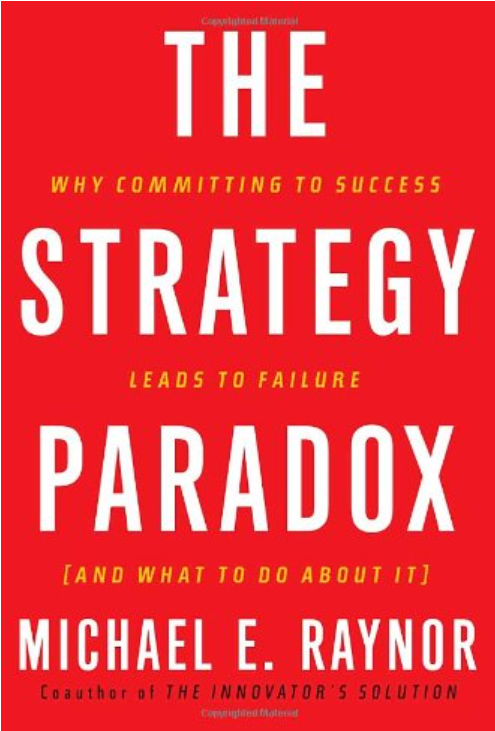
The Strategy Paradox
How do you make bold commitments when you cannot predict the future?
Strategist · Author · Educator
Growth requires commitment. Uncertainty makes commitment dangerous. Understand when to commit, when to adapt, and when to change the rules.

Books
How do you make bold commitments when you cannot predict the future?
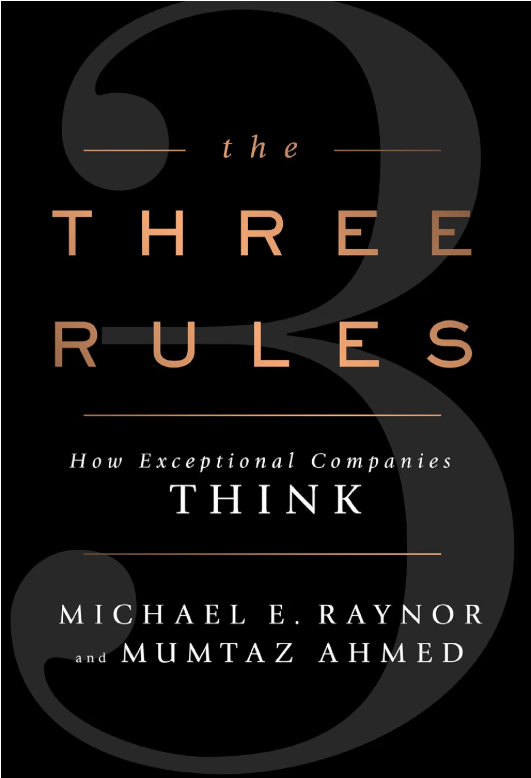
What distinguishes companies that consistently outperform their competitors?
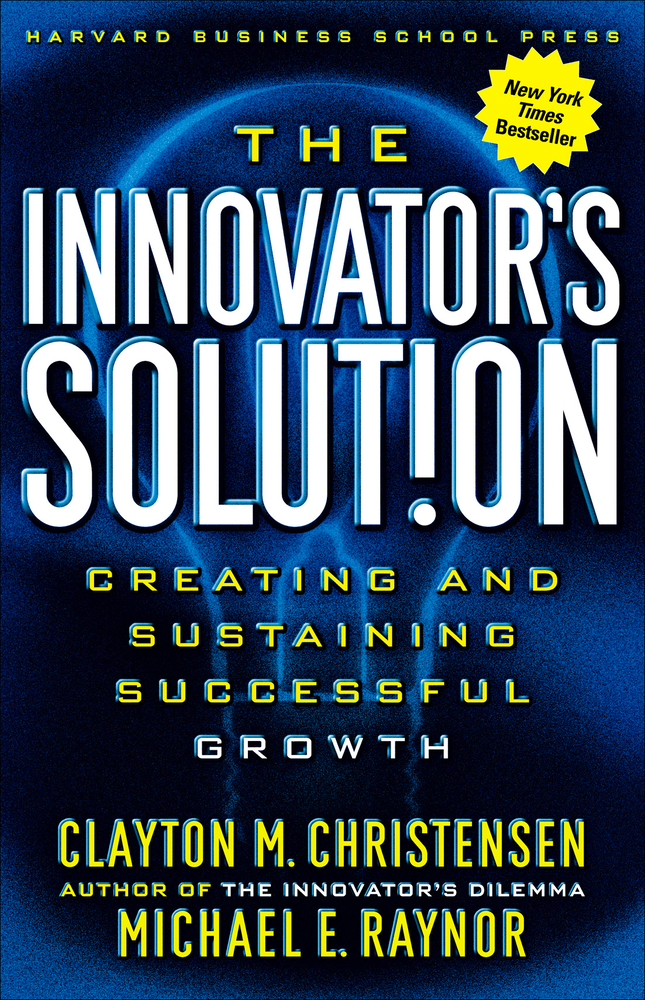
How do you build new businesses without undermining the ones you already have?
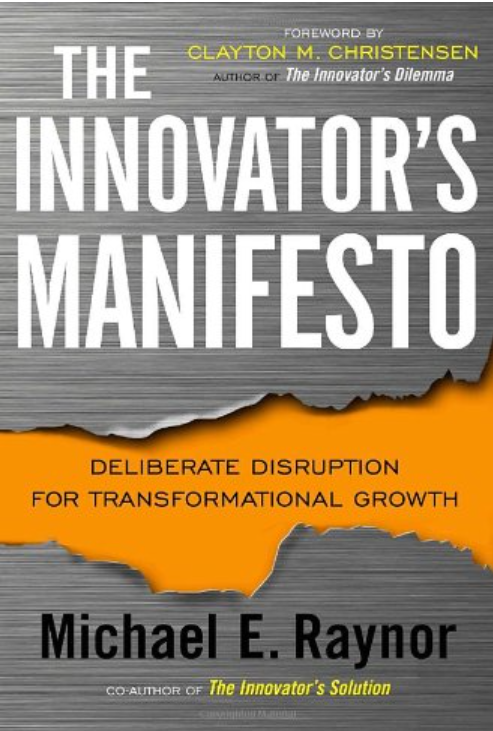
Can you predict which innovations will succeed?
Areas of expertise
What are the constraints that define your industry, and what tradeoffs will you exploit and embrace to differentiate yourself from your competition in ways your customers...and the customers you want...will value?
What are the tradeoffs you must break to compete more effectively, either in the markets you serve now, or the markets you want to serve? Can you get there in a giant leap, or will it take a series of smaller steps? How will you plan for the journey and capitalize on the uncertainties along the way?
Strategy is about commitments, and commitments are about the future...but the future is uncertain. You grapple with this paradox constantly. There might be a more effective way to capitalize on what many see as an impediment.
The first step toward reaching a goal is often setting it. Deciding what counts as good, great, or exceptional performance for your organization is often far more important, and far less straight-forward, than some might think.